

Introduction:
Quartzite veneers have gained immense popularity in the world of interior design and architecture due to their unique combination of beauty and durability. As a natural stone material, quartzite offers a luxurious aesthetic that can elevate any space, while its strength and resilience make it a practical choice for various applications. In this comprehensive guide, we will delve into the characteristics, benefits, installation process, and maintenance of quartzite veneers, shedding light on why they have become a preferred choice for homeowners, designers, and builders alike.
Chapter 1: Understanding Quartzite Veneers
Quartzite is a metamorphic rock that is formed from sandstone under intense heat and pressure. It is composed mainly of quartz, which gives it its distinctive sparkle and crystalline appearance. When quartzite is cut into thin slabs and applied as a veneer, it retains its natural beauty while offering enhanced versatility in terms of installation and design possibilities.
1.1 Characteristics of Quartzite Veneers
Quartzite veneers exhibit a range of unique characteristics that set them apart from other types of veneer materials. Some key features of quartzite veneers include:
- Natural Variation: Quartzite is a natural stone, and as such, each slab possesses its own unique color variations, veining patterns, and textures. This natural variation adds depth and character to quartzite veneers, making them visually appealing.
- Durability: Quartzite is renowned for its exceptional hardness and durability, making it highly resistant to scratches, heat, and impact. This durability translates to quartzite veneers, ensuring that they can withstand the rigors of daily use without losing their luster.
- Heat Resistance: Quartzite is a heat-resistant material, making it ideal for use in kitchens, bathrooms, and outdoor spaces. Quartzite veneers can withstand high temperatures without warping or discoloration, making them a practical choice for areas prone to heat exposure.
- Low Maintenance: Quartzite veneers are relatively low maintenance compared to other natural stone materials. They are easy to clean and maintain, requiring only periodic sealing to protect against stains and moisture penetration.
1.2 Applications of Quartzite Veneers
Quartzite veneers are versatile materials that can be used in a wide range of applications both indoors and outdoors. Some common applications of quartzite veneers include:
- Wall Cladding: Quartzite veneers can be used to cover walls and create striking feature walls in residential and commercial spaces. The natural beauty of quartzite adds a touch of elegance and sophistication to any interior or exterior wall.
- stepping stones for sale : Quartzite veneers are a popular choice for fireplace surrounds due to their heat resistance and aesthetic appeal. They can create a focal point in a living room or outdoor patio, enhancing the overall ambiance of the space.
- Kitchen Backsplashes: Quartzite veneers make an excellent choice for kitchen backsplashes, providing a durable and easy-to-clean surface that enhances the visual appeal of the kitchen. The natural variations in quartzite add a touch of luxury to the kitchen environment.
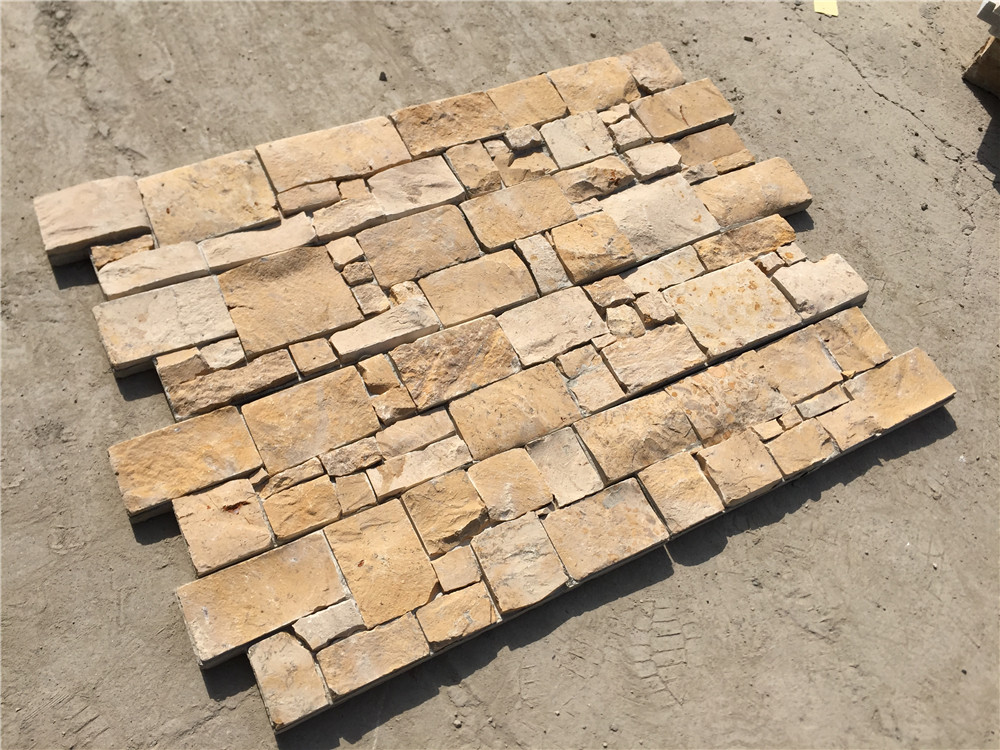
- Exterior Facades: Quartzite veneers can be used to clad exterior facades of buildings, adding a touch of sophistication and durability to the architecture. The natural stone look of quartzite enhances the curb appeal of residential and commercial properties.
Chapter 2: Benefits of Quartzite Veneers
Quartzite veneers offer a host of benefits that make them a sought-after material for interior and exterior design projects. From their natural beauty to their durability and longevity, quartzite veneers present numerous advantages that set them apart from other veneer options.
2.1 Aesthetic Appeal
One of the primary benefits of quartzite veneers is their aesthetic appeal. The natural beauty of quartzite, with its unique veining patterns and color variations, adds a touch of elegance and sophistication to any space. Whether used as a wall cladding, fireplace surround, or kitchen backsplash, quartzite veneers create a visually stunning focal point that enhances the overall design of the room.
2.2 Durability and Longevity
Quartzite is renowned for its exceptional hardness and durability, making it a long-lasting material for veneers. Quartzite veneers are resistant to scratches, heat, and impact, ensuring that they maintain their pristine appearance even in high-traffic areas. Unlike other veneer materials that may wear down over time, quartzite veneers are designed to withstand the test of time, making them a sound investment for homeowners and builders.
2.3 Heat Resistance
Another significant benefit of quartzite veneers is their heat resistance. Quartzite is a natural stone that can withstand high temperatures without warping or discoloration, making it an ideal choice for areas prone to heat exposure, such as kitchen backsplashes and fireplace surrounds. The heat resistance of quartzite veneers adds to their durability and versatility, allowing them to be used in a wide range of applications.
2.4 Low Maintenance
Quartzite veneers are relatively low maintenance compared to other natural stone materials. While some natural stones require regular sealing and maintenance to prevent staining and etching, quartzite is more resistant to these issues. With proper care and periodic sealing, quartzite veneers can maintain their beauty and integrity for years to come, requiring minimal upkeep from homeowners.
2.5 Versatility in Design
Quartzite veneers offer a high degree of versatility in terms of design possibilities. With a wide range of colors, textures, and finishes available, quartzite veneers can be customized to suit any design aesthetic, from modern and contemporary to traditional and rustic. Whether used as a subtle accent or a bold statement piece, quartzite veneers can be tailored to meet the unique design vision of homeowners and designers.
Chapter 3: Installation Process of Quartzite Veneers
Installing quartzite veneers requires careful planning and attention to detail to ensure a seamless and long-lasting result. While the exact installation process may vary depending on the specific project requirements, there are some general steps involved in installing quartzite veneers that are worth noting.
3.1 Surface Preparation
The first step in installing quartzite veneers is to prepare the surface where the veneers will be applied. This involves ensuring that the surface is clean, dry, and free of any dust, debris, or contaminants that may affect the adhesion of the veneers. Depending on the substrate material, additional preparation such as priming or leveling may be necessary to create a smooth and stable surface for the veneers.
3.2 Cutting and Sizing
Once the surface is prepared, the quartzite veneers can be cut and sized to fit the desired area. Precision cutting is essential to achieve a seamless and professional-looking installation. Specialized tools such as wet saws or diamond blades may be required to cut quartzite veneers accurately and minimize chipping or breakage.
3.3 Adhesive Application
After the quartzite veneers are cut to size, an appropriate adhesive is applied to the back of each veneer piece. The adhesive should be selected based on the substrate material and the specific requirements of the project to ensure proper adhesion and longevity. Care should be taken to apply the adhesive evenly and in the correct amount to prevent slippage or uneven bonding.
3.4 Installation and Sealing
Once the adhesive is applied, the quartzite veneers can be installed onto the prepared surface. It is essential to carefully position each veneer piece to achieve a uniform alignment and pattern. Proper spacing should be maintained between veneer pieces to allow for grout or mortar application, depending on the installation method chosen. After the veneers are installed, a sealant may be applied to protect the surface and enhance the natural beauty of the quartzite.
3.5 Grouting and Finishing
If grout is used in the installation, it should be applied carefully between the quartzite veneer pieces to fill in the gaps and create a cohesive look. Grout color should be selected to complement the quartzite veneers and enhance the overall design aesthetic. Once the grout has dried, any excess grout should be removed, and the surface cleaned to reveal the finished installation.
Chapter 4: Maintenance of Quartzite Veneers
Proper maintenance is essential to ensure the longevity and beauty of quartzite veneers. While quartzite is a durable material, it is not impervious to damage or wear over time. By following some simple maintenance tips and best practices, homeowners can preserve the appearance and integrity of their quartzite veneers for years to come.
4.1 Regular Cleaning
One of the most important aspects of quartzite veneer maintenance is regular cleaning. Dust, dirt, and other debris can accumulate on the surface of the veneers, dulling their shine and luster. To prevent this buildup, homeowners should dust or vacuum the veneers regularly using a soft brush attachment. For deeper cleaning, a mild detergent or stone cleaner can be used with a damp cloth to wipe down the surface and remove any stains or spills.
4.2 Sealing
While quartzite is a relatively low-maintenance material, it is recommended to seal quartzite veneers periodically to protect against staining and moisture penetration. The frequency of sealing will depend on the specific type of sealant used and the level of wear and tear the veneers are exposed to. Homeowners should consult with their installer or a stone care professional to determine the best sealing schedule for their quartzite veneers.
4.3 Avoiding Harsh Chemicals
When cleaning quartzite veneers, homeowners should avoid using harsh chemicals or abrasive cleaners that can damage the surface of the stone. Acidic or alkaline cleaners, as well as products containing ammonia or bleach, should be avoided, as they can etch or discolor the quartzite. Instead, opt for pH-neutral cleaners specifically formulated for natural stone to preserve the beauty of the veneers.
4.4 Preventing Damage
To prevent damage to quartzite veneers, homeowners should take precautions to protect the surface from scratches, heat, and impact. Using trivets or coasters under hot pots and pans, avoiding dragging heavy furniture across the surface, and using cutting boards when preparing food can help preserve the integrity of the veneers. Regular inspection of the veneers for any signs of damage or wear is also recommended to address issues promptly.
Chapter 5: Conclusion
In conclusion, quartzite veneers stand out as a superior choice for homeowners, designers, and builders looking for a versatile, durable, and aesthetically pleasing material for their projects. With their natural beauty, exceptional durability, and easy maintenance, quartzite veneers offer a range of benefits that set them apart from other veneer materials. From wall cladding and fireplace surrounds to kitchen backsplashes and exterior facades, quartzite veneers can enhance the visual appeal and functionality of any space.
By understanding the characteristics, benefits, installation process, and maintenance of quartzite veneers, homeowners can make informed decisions about incorporating this luxurious material into their interior and exterior design projects. With proper care and attention, quartzite veneers can continue to impress with their timeless elegance and enduring quality for years to come.